Sports Injury & Post-Surgical Rehabilitation in Westlands, Nairobi
A structured path back to movement, work and sport
An injury or surgery can change how you move, train, work and manage everyday activities.
Whether you are a professional athlete, a weekend runner, a gym enthusiast or recovering from an orthopaedic procedure, the right rehabilitation plan can help you rebuild strength and confidence step by step.
At Katasi Physiotherapy Services in Westlands, Nairobi, sports injury rehabilitation and post-surgical physiotherapy are built around your condition, goals and stage of recovery, not a generic exercise programme.
Common injuries that may benefit from physiotherapy
Sports physiotherapy can support recovery from muscle strains, ligament injuries, ankle sprains, tendon problems, knee injuries, shoulder pain, back pain and overuse injuries. Rehabilitation may also help active people manage recurring pain, improve movement quality and reduce the risk of returning to sport too quickly.
Physiotherapy does not replace medical diagnosis when one is needed. If you have severe pain, a suspected fracture, major swelling, deformity, loss of movement or a new neurological symptom, seek medical assessment with you doctor promptly.
Post-surgical rehabilitation: why the next steps matter
Surgery repairs or treats a problem, but rehabilitation helps you safely regain movement and function afterwards. Depending on the operation and your surgeon’s instructions, physiotherapy may help you manage stiffness, restore joint movement, rebuild muscle strength, improve balance and return gradually to daily activities, work or sport.
Your programme should respect the healing timeline and any precautions from your surgeon. Exercises are progressed according to your symptoms, movement, strength, control and functional goals, not simply according to the calendar.
What to expect at Katasi Physiotherapy
Your first appointment begins with an assessment of your pain, movement, strength, flexibility, balance, injury history, surgery details and daily demands. If you are post-surgical, bring your discharge instructions and follow-up information where available.
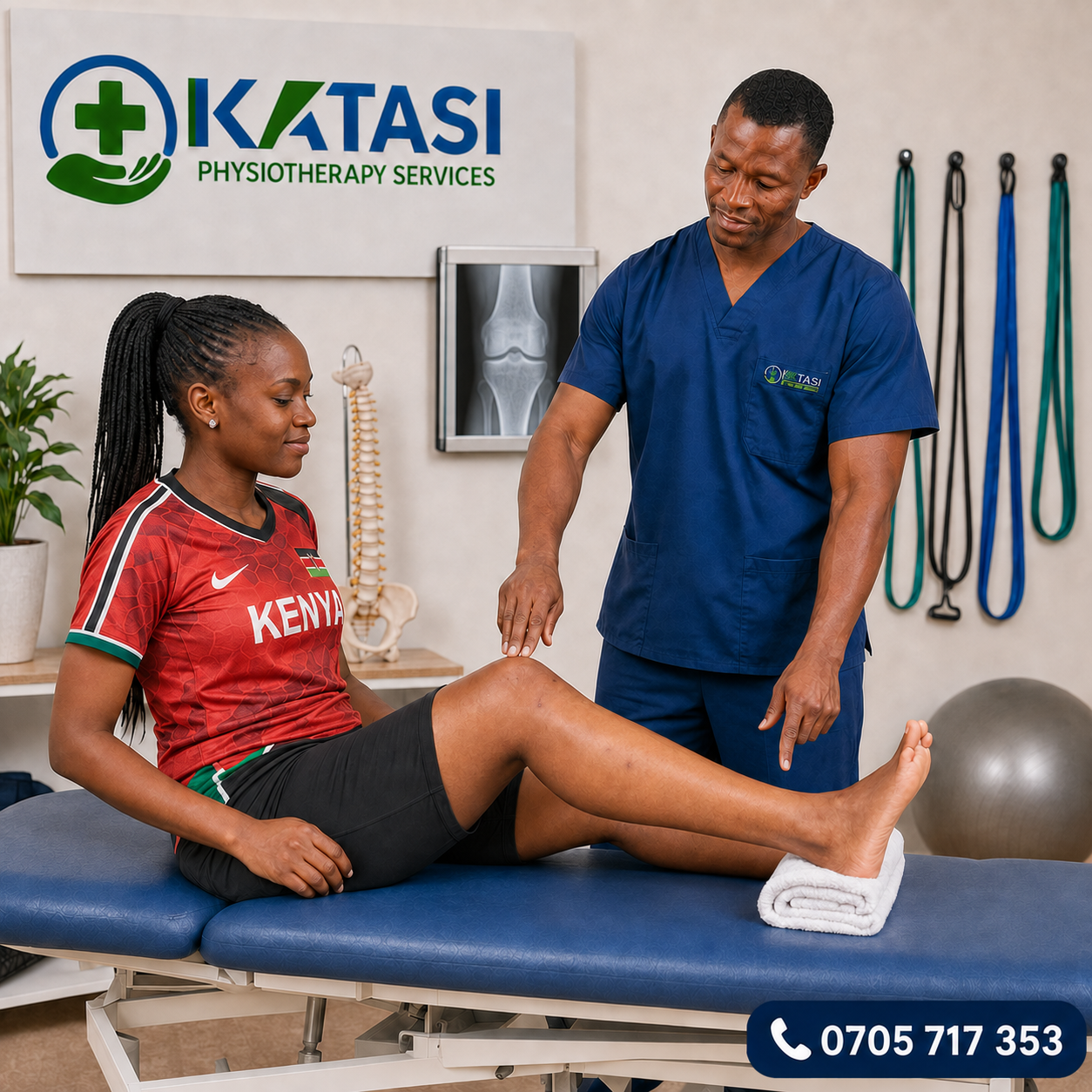
Your individualized rehabilitation may include therapeutic exercise, mobility work, progressive strengthening, balance and coordination training, hands-on treatment, movement retraining, sport-specific drills and education about pacing and recovery.
Home physiotherapy visits may also be available when suitable.
A safe return to sport is usually gradual. Rehabilitation can begin with basic movement and strength, then reintroduce the demands of your activity, such as jogging, lifting, changing direction or throwing, before full training and competition. Good technique, recovery time and long-term strength are important parts of reducing re-injury risk.
Return to sport is more than a date
Feeling better is encouraging, but it does not always mean that your body is ready for full training.
Before returning to higher-intensity activity, your physiotherapist may consider pain, swelling, joint movement, strength, endurance, balance, confidence and your ability to perform sport-specific tasks.
The aim is to help you return to the activities that matter to you with a clear and progressive plan.
For some patients, that means returning to competitive sport. For others, it means walking comfortably, going back to work, climbing stairs or exercising without fear.
Book sports or post-surgical physiotherapy in Westlands
If an injury or operation is limiting your movement, do not guess your way through recovery.
Book an assessment with Katasi Physiotherapy Services, a physiotherapy clinic on Mogotio Road off Muthithi Road, Westlands, Nairobi.
Call or WhatsApp: 0705 717 353
Frequently asked question
How soon after surgery should I start physiotherapy?
The timing depends on the type of surgery, your medical condition and your surgeon’s instructions. Some rehabilitation begins soon after surgery, while other exercises must wait until healing has progressed.
Follow your surgical team’s advice and ask a physiotherapist to guide your next stage safely.
Author
Moses Katasi - Orthopedic Physiotherapist Book an appointment
BSc, Dip, Post-graduate Diploma in Orthopedic Physiotherapy - AMREF International University, Certified Clinical Physiotherapy Instructor (CPTI) Kenya, Optimal Dry Needling Specialist (ODNS) at International Academy of Orthopedic Medicine(IAOM) - USA.
Disclaimer:
This blog post is for informational purposes only and does not constitute medical advice. Always consult with a qualified orthopedic physiotherapist or healthcare professional for diagnosis and treatment of any medical condition.